
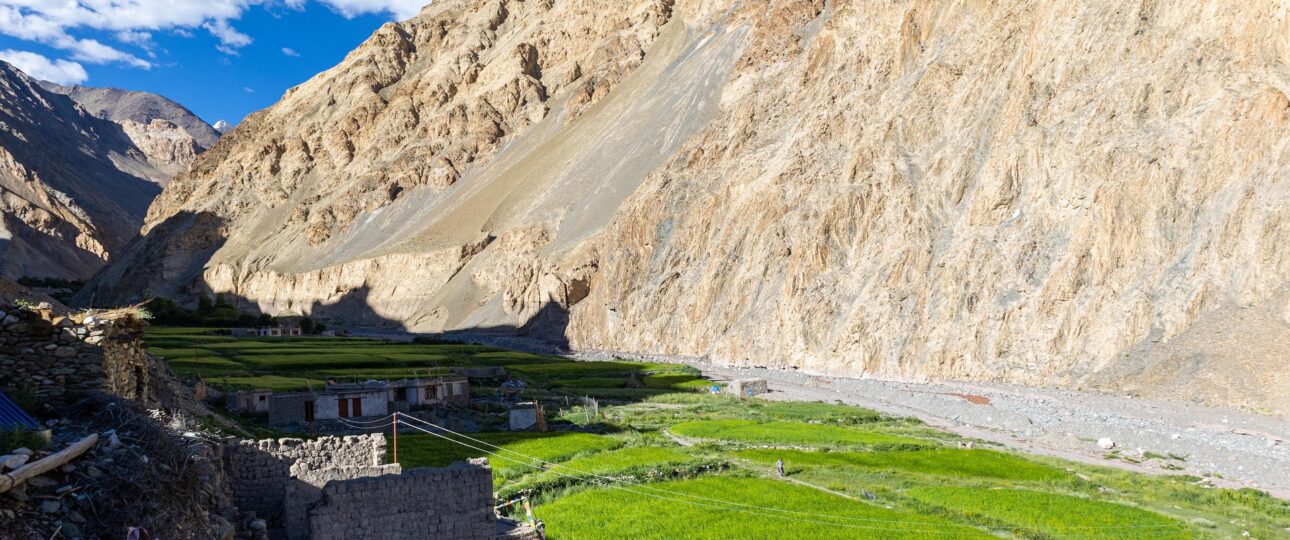
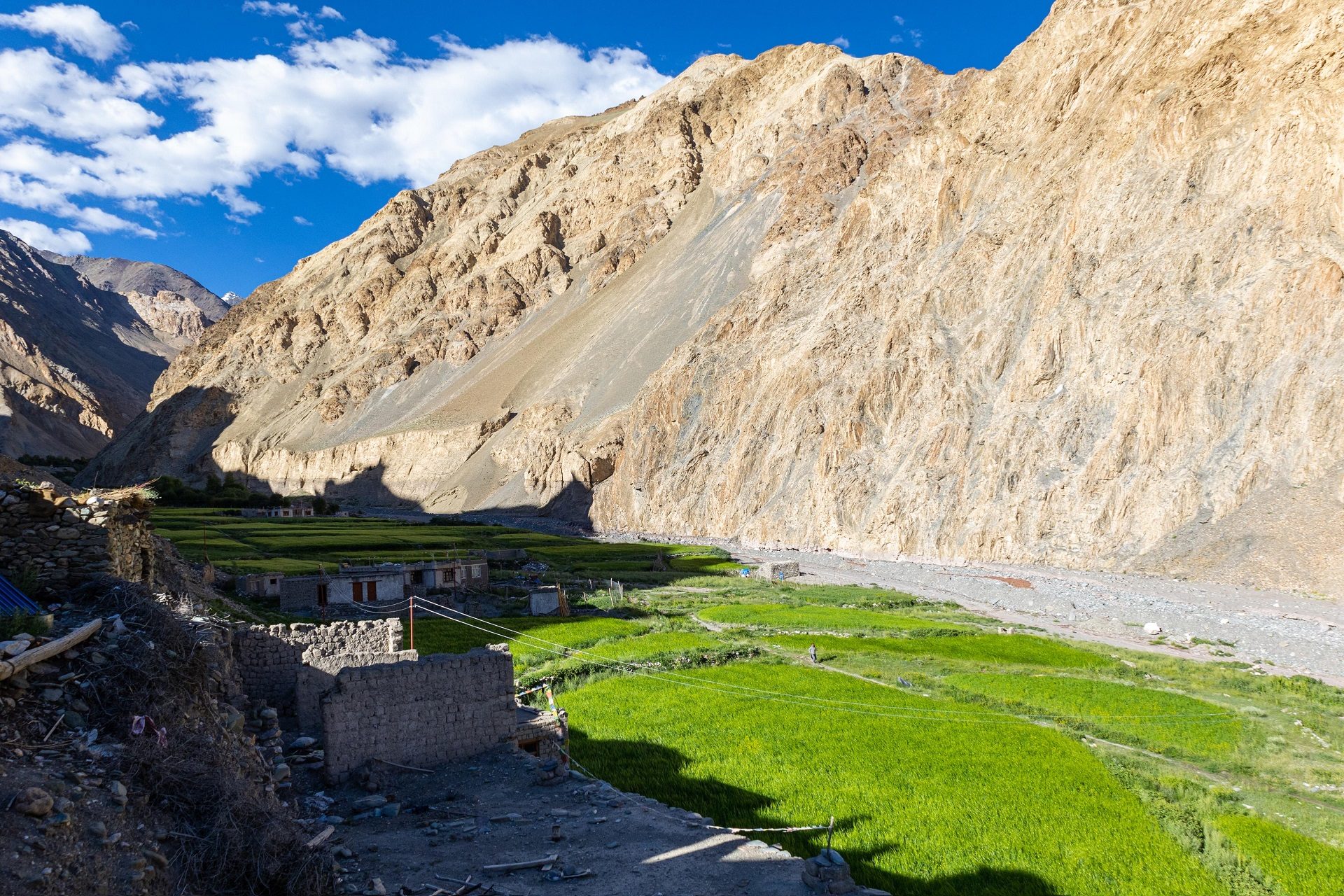
Ladakh is often described as a land of high passes, monasteries, and stark mountain beauty. Yet beyond its dramatic landscapes lives a community whose way of life has shaped these high-altitude regions for centuries—the Dokpa, the nomadic herders of Ladakh.
Understanding the Dokpa is essential to understanding Ladakh itself.
Meaning of the Word “Dokpa”
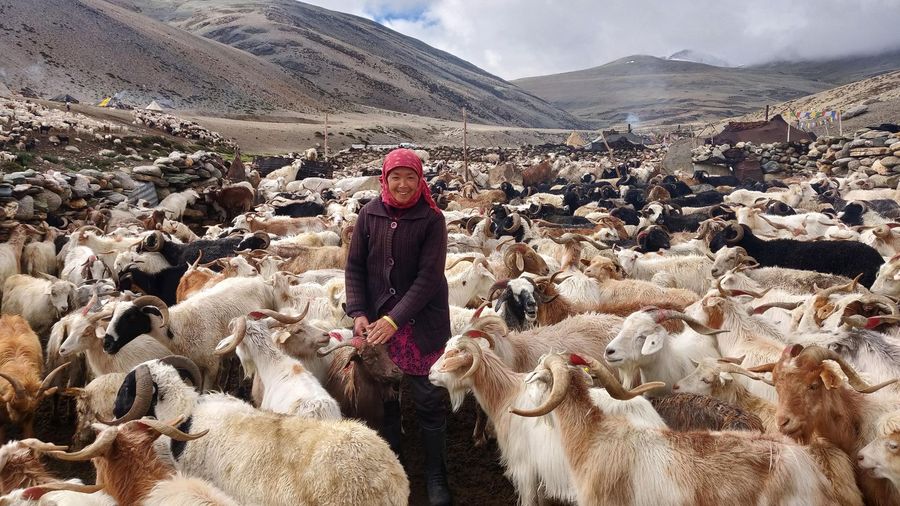
The term “Dokpa” comes from the Tibetan word “’brog pa”, which literally means people of the high pastures or nomads. In Ladakh, the Dokpa are pastoral communities who traditionally migrate with their livestock across high-altitude grasslands in search of seasonal grazing.
Where Do the Dokpa Live?
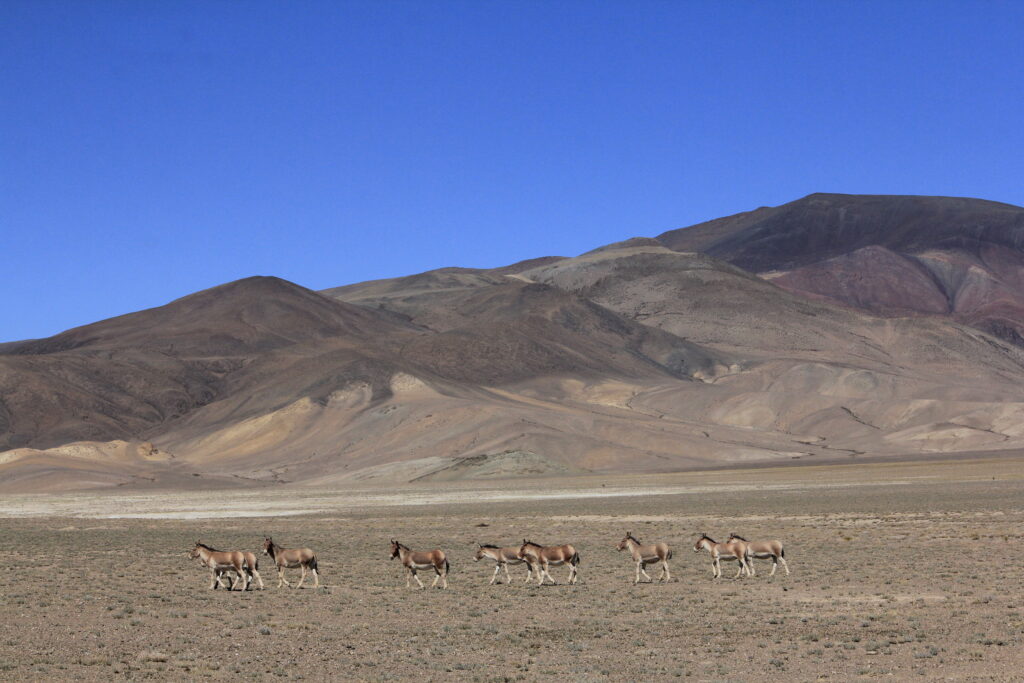
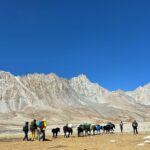
Dokpa communities primarily inhabit the Changthang plateau, a vast cold desert region in eastern Ladakh. This area lies at elevations ranging from 4,000 to over 5,000 meters above sea level and experiences some of the harshest living conditions on Earth.
Key regions associated with Dokpa settlements include:
- Changthang
- Rupshu Valley
- Hanle
- Nyoma
- Korzok (around Tso Moriri)
These areas are too cold, dry, and remote for agriculture, making nomadic pastoralism the only sustainable way of life.
A Life Shaped by Resilience
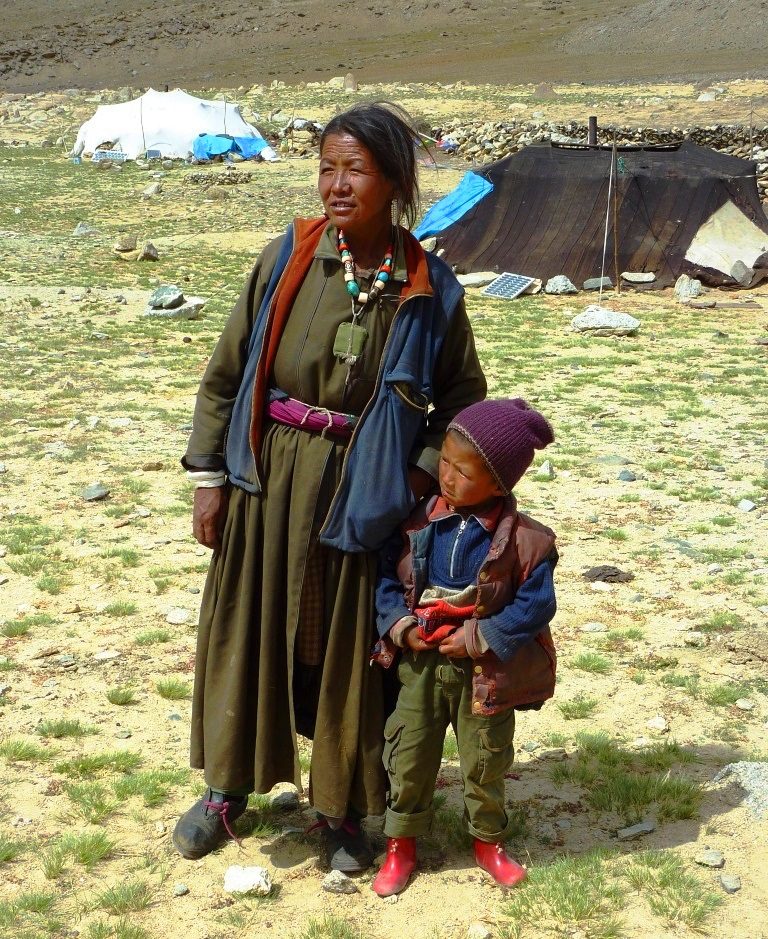
Dokpa families live in rebo, traditional tents made from woven yak or goat hair. These tents are warm, portable, and perfectly suited for life in harsh weather. Daily life revolves around tending animals, collecting wool, making dairy products, and preparing for long winters.
Their food is simple—tsampa, butter tea, milk, and dried meat—yet deeply nourishing, built for endurance at high altitude.
A Way of Life Under Pressure
Today, Dokpa communities face serious challenges:
- Grazing land reduced by 30–40% in some regions
- Harsher winters due to climate change
- Younger generations moving toward settled livelihoods
Despite this, many families continue nomadic life, preserving knowledge that has sustained Ladakh’s highlands for centuries.
The Spirit Behind Dokpa Expeditions
Dokpa Expeditions draws inspiration from this very way of life—rooted, resilient, and respectful of nature. Just as the Dokpa move mindfully through the mountains, our journeys aim to connect travelers with Ladakh’s landscapes, culture, and people in a meaningful way.
Travel here is not just about reaching places, but about understanding the land and those who belong to it.